Interactive Projection Games
Turn floors or walls into interactive game surfaces where players can respond to projected content through movement and physical interaction.


Create engaging play environments with interactive projection, digital games, sports experiences, and physical-digital activities for children and families.
Projection can transform ordinary floors and walls into interactive spaces where children and families can play, move, and engage with digital content.
Interactive projection systems can combine projected visuals, cameras, sensors, and software to create responsive experiences for entertainment, education, physical activity, and family participation.
From projection-based games and digital sports to interactive activity areas, each system can be designed around the available space, audience, content, and operating requirements.
Interactive projection can support different types of play, movement, learning, and family entertainment experiences.
Turn floors or walls into interactive game surfaces where players can respond to projected content through movement and physical interaction.
Combine projection with movement-based activities to create digital sports and active play experiences for children, families, and entertainment venues.
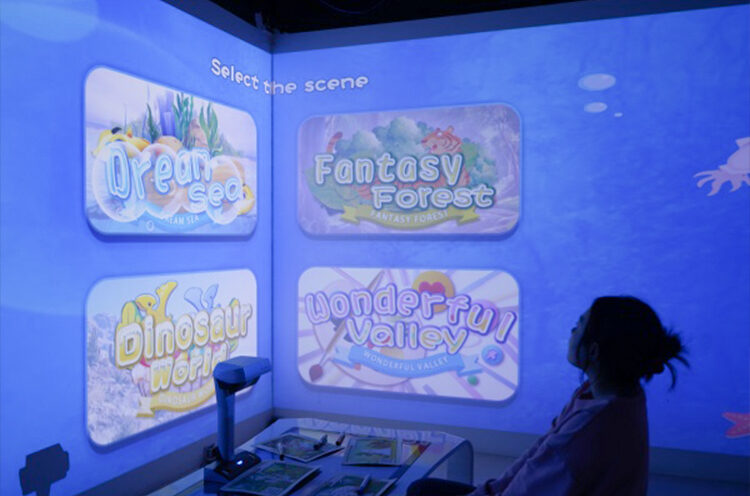
Create engaging interactive areas where children can explore, move, and interact with projected digital environments.
Design shared experiences that allow children, parents, and groups to participate together in interactive games and physical-digital activities.
Different projection approaches can be combined to create interactive experiences according to the available space and intended activity.
Use projected content on floors to create movement-based games, digital sports, and interactive physical activities.
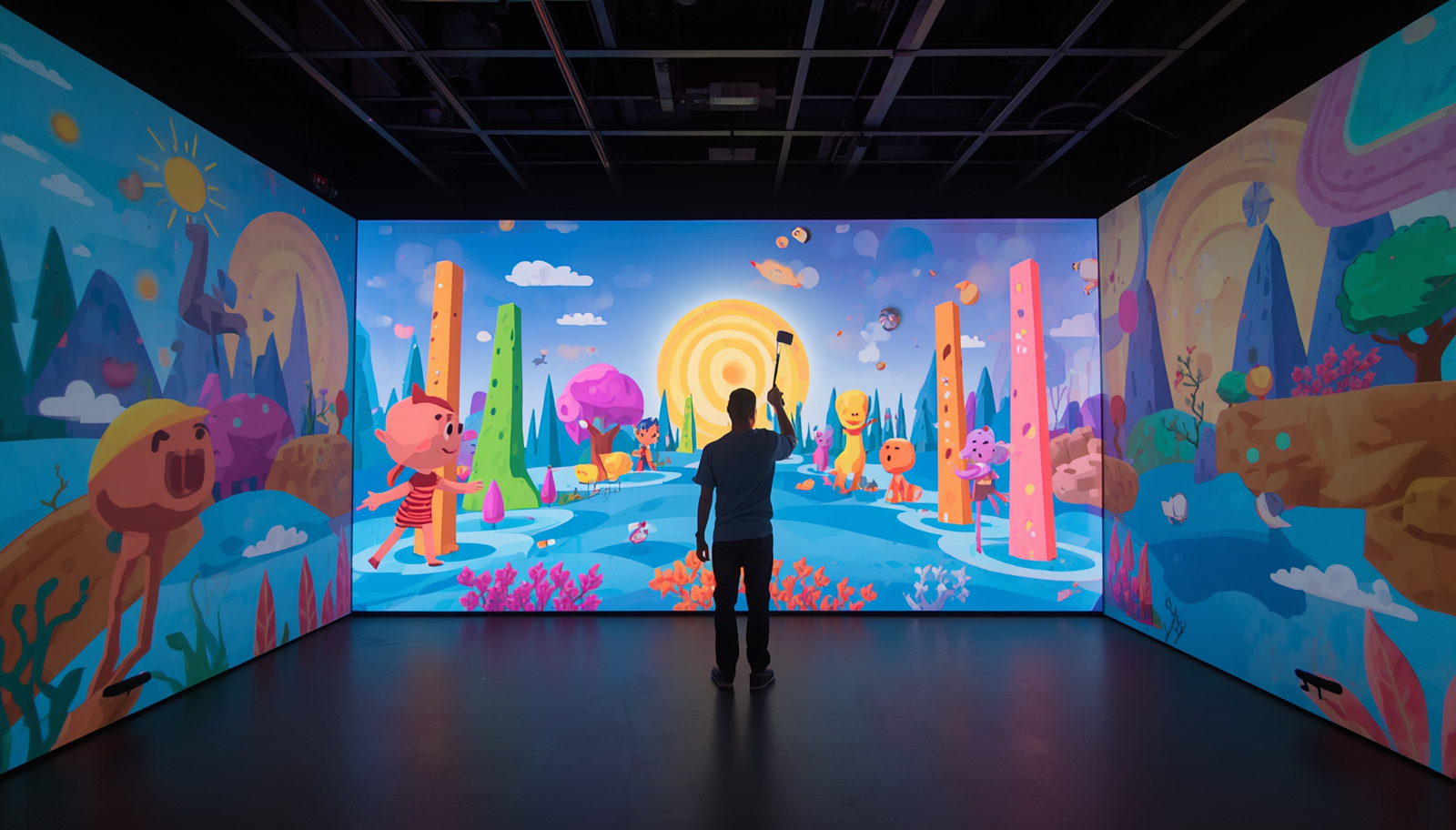
Turn walls into interactive surfaces for games, learning activities, visual interaction, and movement-based experiences.
Combine projected visuals, cameras, sensors, and software to create responsive games and activities.
Use projection and interactive technology to create physical activities that combine movement with digital content.
Design interactive experiences that allow multiple participants to play, move, and engage with projected content together.
Interactive projection can be designed around different surfaces and spatial layouts to create engaging physical-digital experiences.
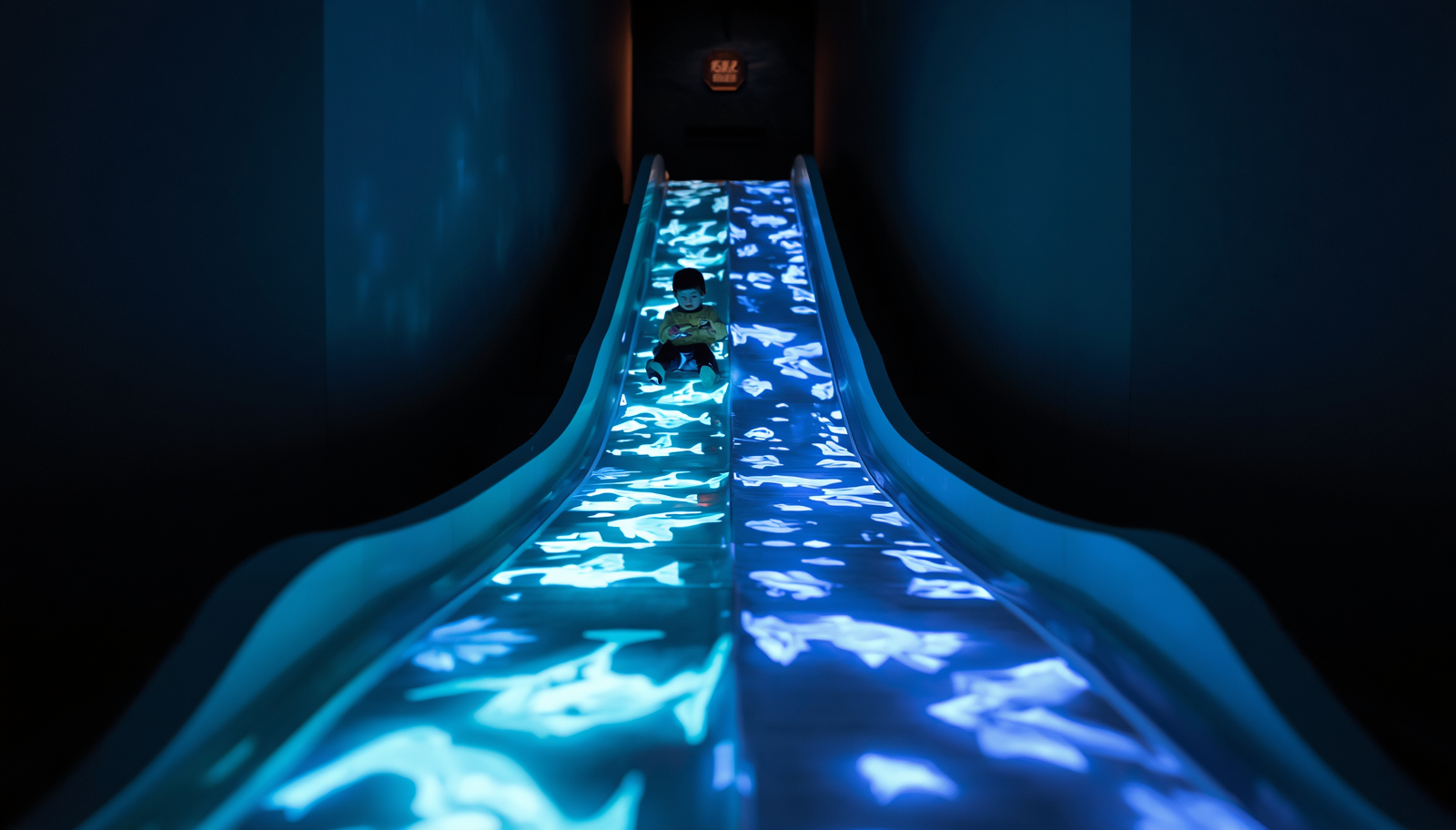
Use floor projection for movement-based games, digital sports, interactive activities, and physical play.
Use wall projection for interactive games, visual interaction, learning activities, and responsive digital content.
Design projection systems around open spaces where participants can move freely and interact with projected content.
Combine floor, wall, and interactive technologies when the space requires multiple types of activities or experiences.
Reliable interactive entertainment experiences depend on the coordination of projection, sensing, software, content, and control systems.
Select projection systems according to image size, brightness, projection distance, viewing conditions, and the requirements of the interactive space.
Use cameras, sensors, or other interaction technologies to detect participant movement and connect physical activity with digital content.
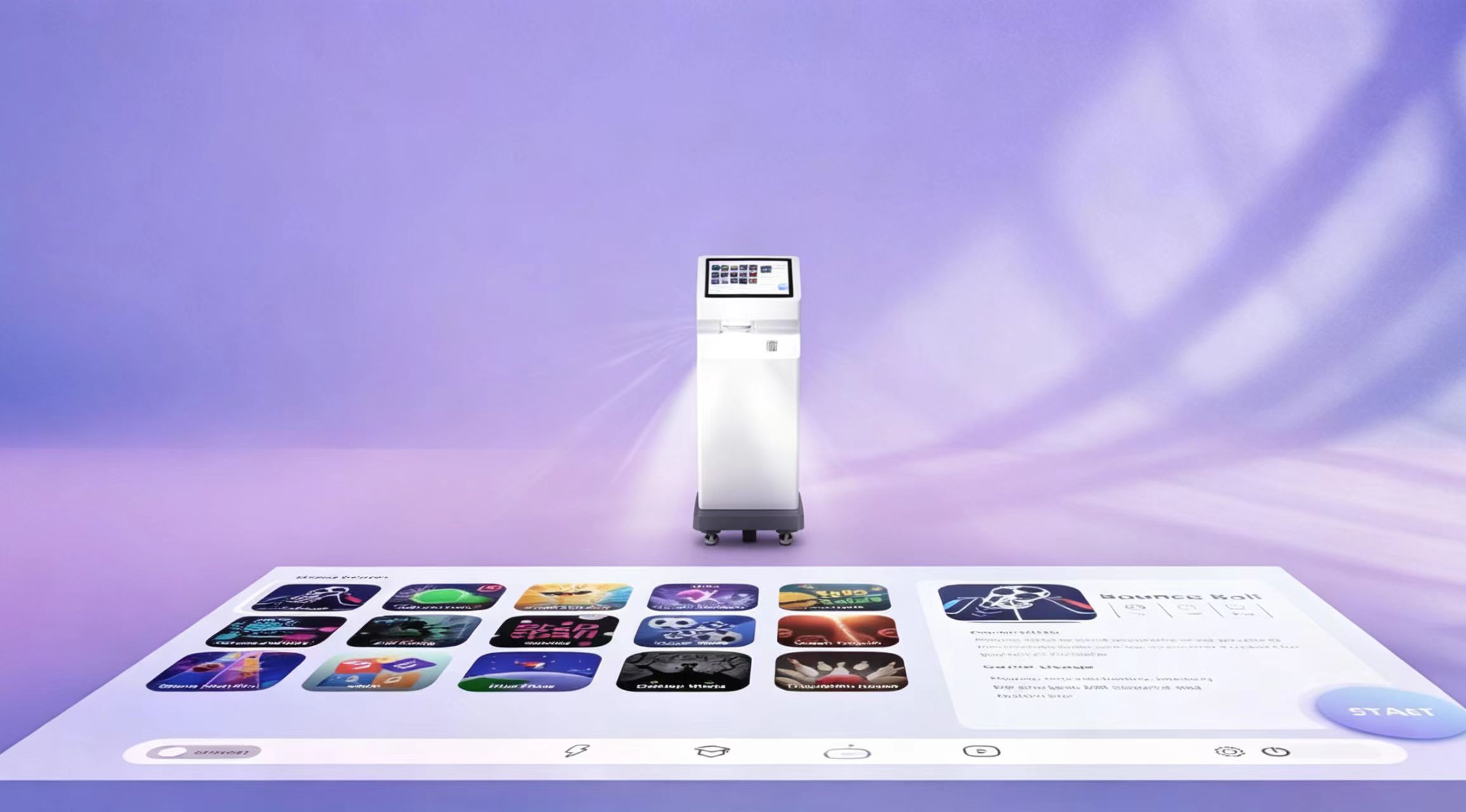
Integrate interactive software to interpret user input and connect movement or interaction with projected content.
Prepare visual content and interactive experiences according to the intended games, activities, audience, and operating environment.
Coordinate projection, interaction, content, and system timing for reliable operation across the experience.
Coordinate hardware, software, projection, sensors, installation, calibration, testing, and system operation according to project requirements.
Successful interactive entertainment projects require careful planning of the space, experience, technology, content, and installation requirements.
Consider room dimensions, ceiling height, floor and wall surfaces, participant movement, viewing conditions, and installation space.
Define the type of games, activities, movement, interaction, and audience participation required for the project.
Consider brightness, resolution, projection distance, image size, coverage, and the number of projectors required for the space.
Determine the required cameras, sensors, interactive software, tracking methods, and interaction logic according to the experience.
Plan mounting, cabling, calibration, testing, maintenance access, and on-site installation requirements.
Explore projection and interactive systems that can be considered for kids, games, and family entertainment projects.
Interactive projection uses projected visuals together with cameras, sensors, and software to create responsive games, activities, and physical-digital experiences. It can be used for children's play, digital sports, family entertainment, and interactive activity areas.
Yes. Interactive projection can be used to create movement-based activities and digital sports experiences where participants interact with projected content through physical movement.
Multi-participant experiences can be designed when the projection area, interaction system, software, and game or activity are suitable for multiple users. The appropriate configuration depends on the specific project.
Yes. Interactive projection can be designed for floors, walls, or combined surfaces depending on the intended activity, projection conditions, interaction method, and installation environment.
Important considerations include room dimensions, projection surfaces, ceiling height, participant movement, projection distance, brightness, interaction technology, content, installation, calibration, and system operation.
Yes. Interactive projection can support learning activities when games and digital content are designed around educational objectives, physical activity, exploration, or other intended learning experiences.
Tell us about your space, audience, activities, and technical requirements. We can help you explore a suitable interactive projection and digital entertainment solution.
Discuss Your Project