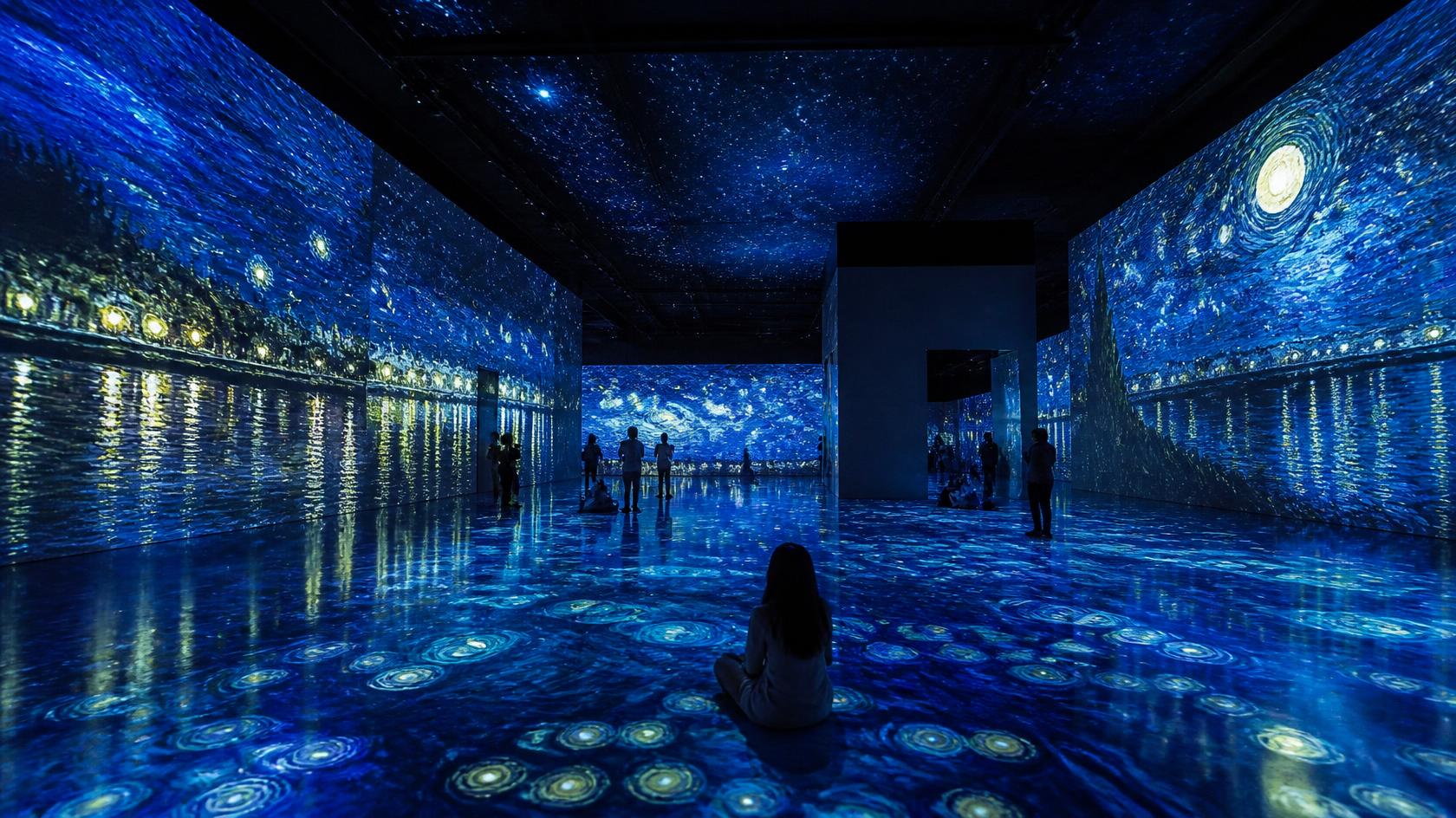
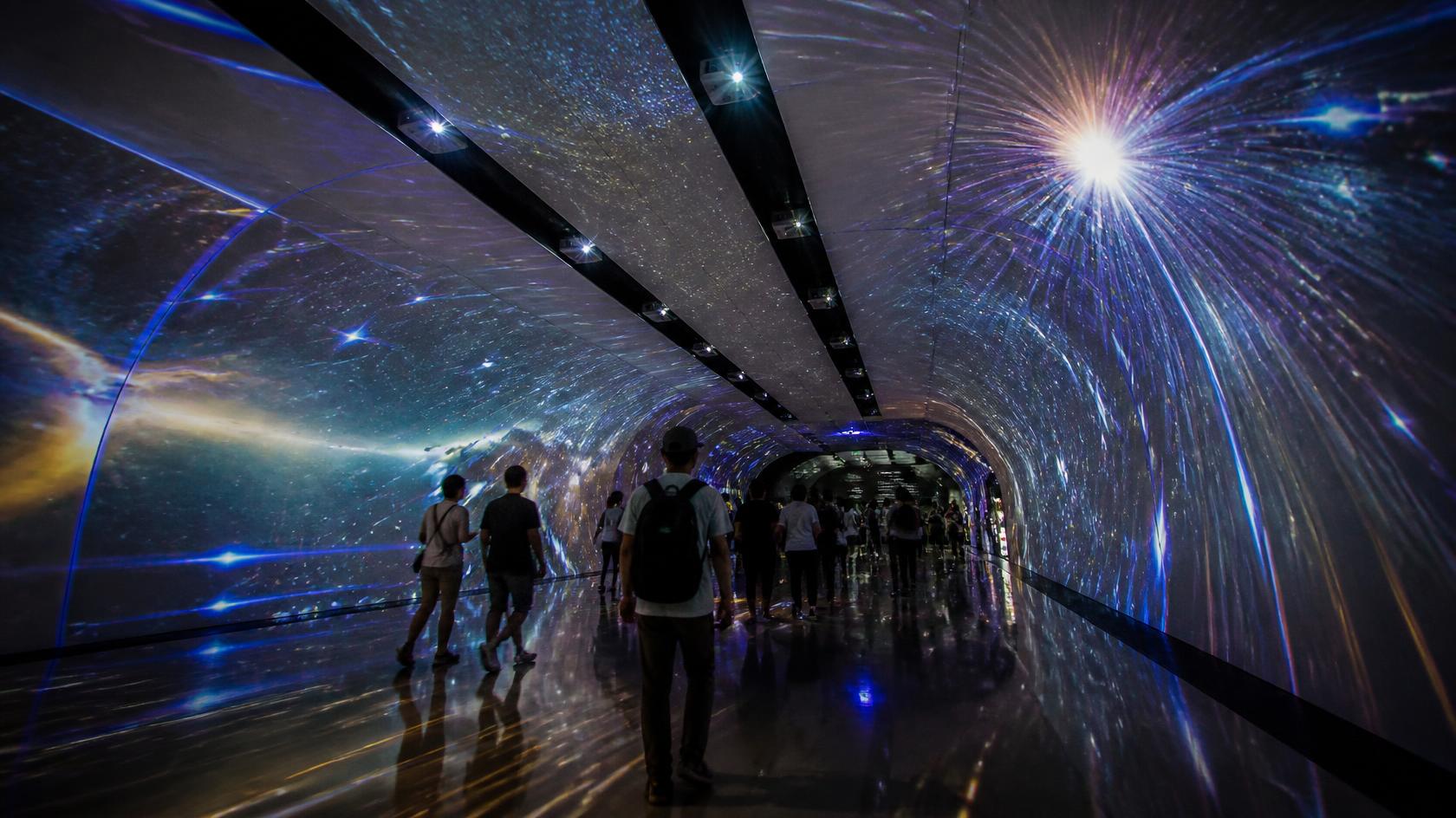
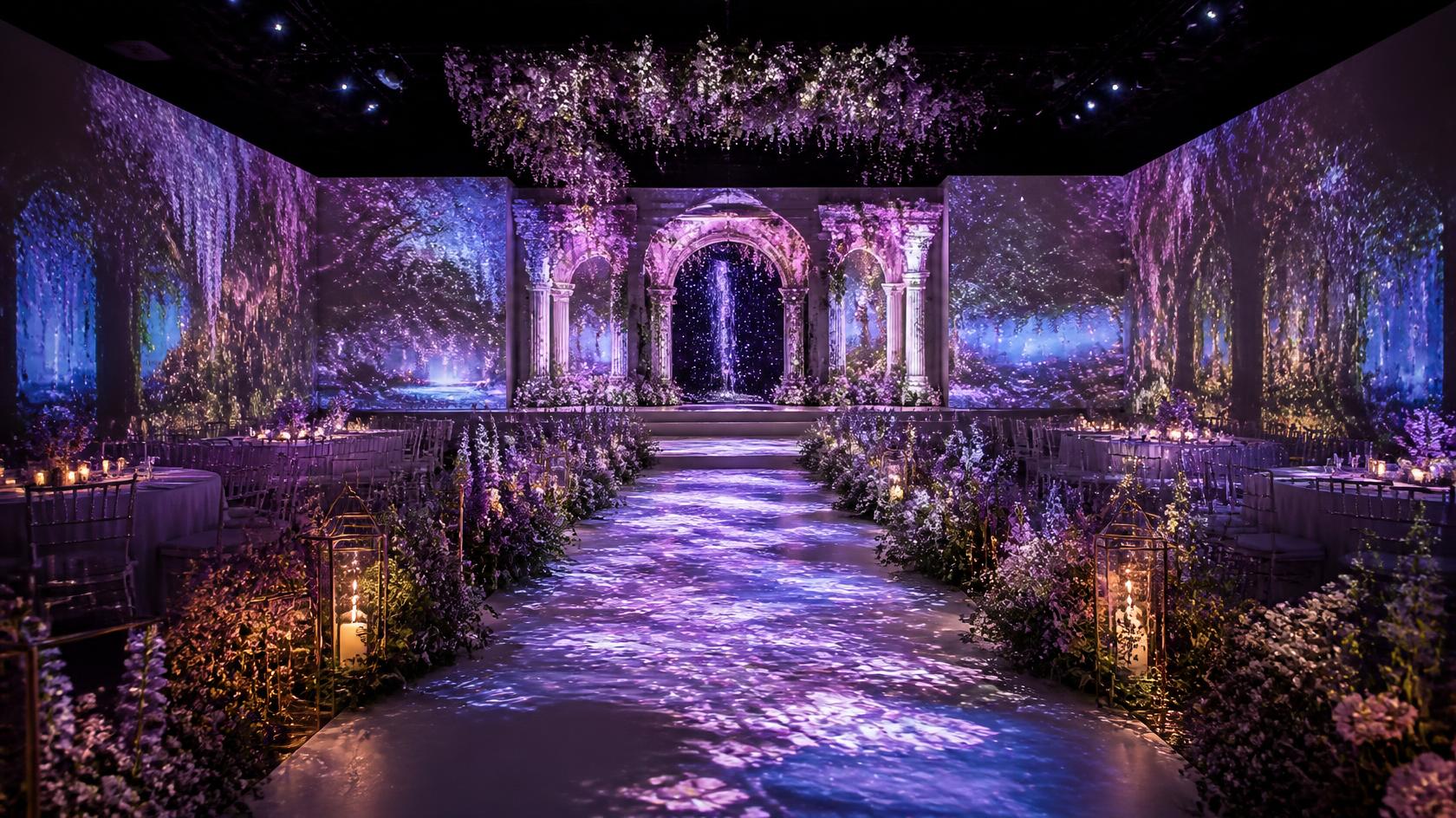
Live Shows & Performances
Create dynamic stage visuals and immersive environments that complement live performances, concerts, theatrical productions, and other shows.

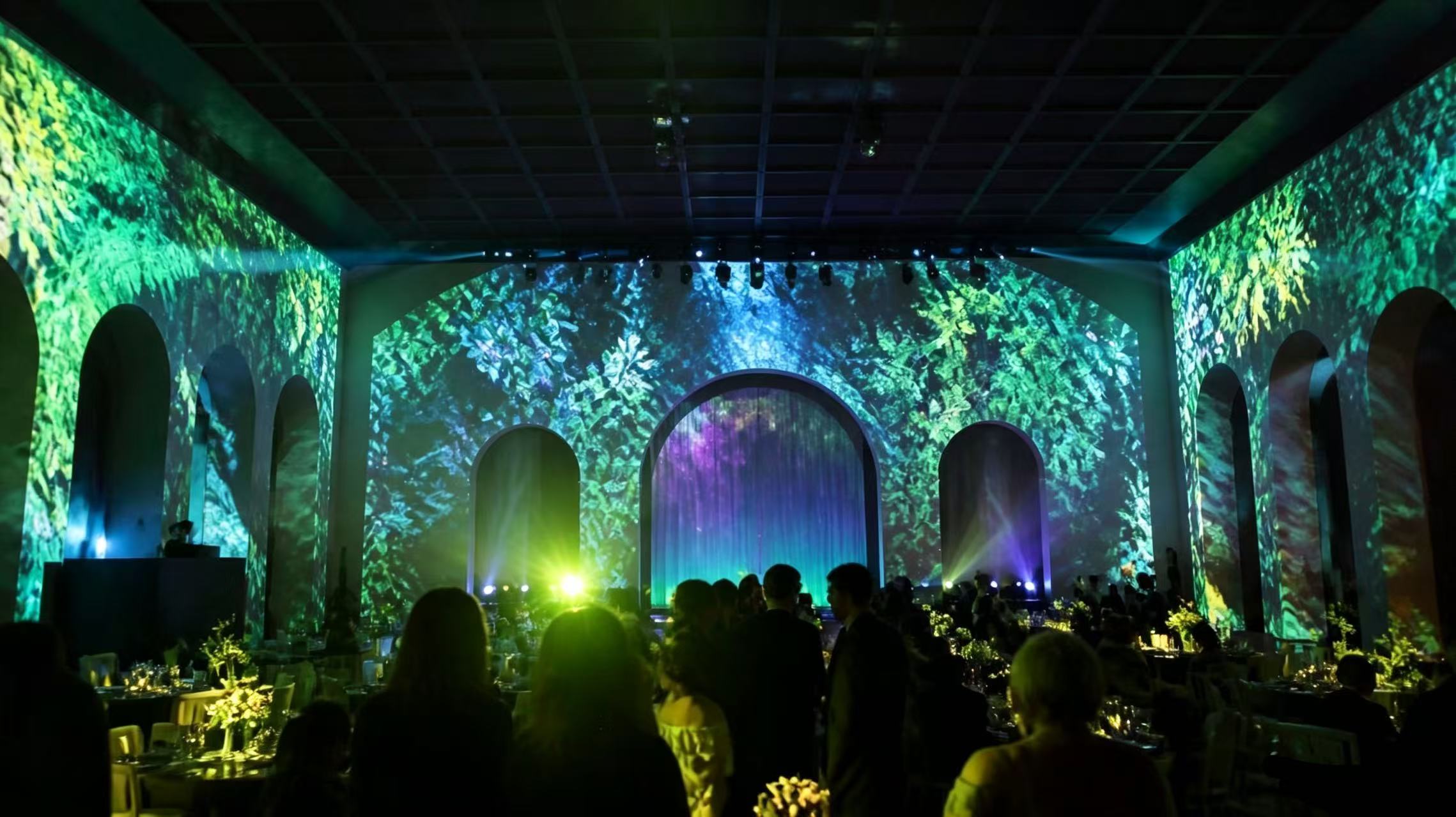
Enhance events, performances, and live shows with immersive projection, projection mapping, stage visuals, and dynamic audiovisual experiences.
Projection can transform stages, venues, architectural surfaces, and temporary event environments into dynamic visual experiences.
From live performances and concerts to corporate events, brand activations, and themed events, projection can be used to create large-scale visuals, immersive environments, projection mapping effects, and synchronized audiovisual experiences.
Each event has different space, audience, content, and production requirements, so the projection system can be designed around the venue, visual concept, viewing conditions, and event schedule.
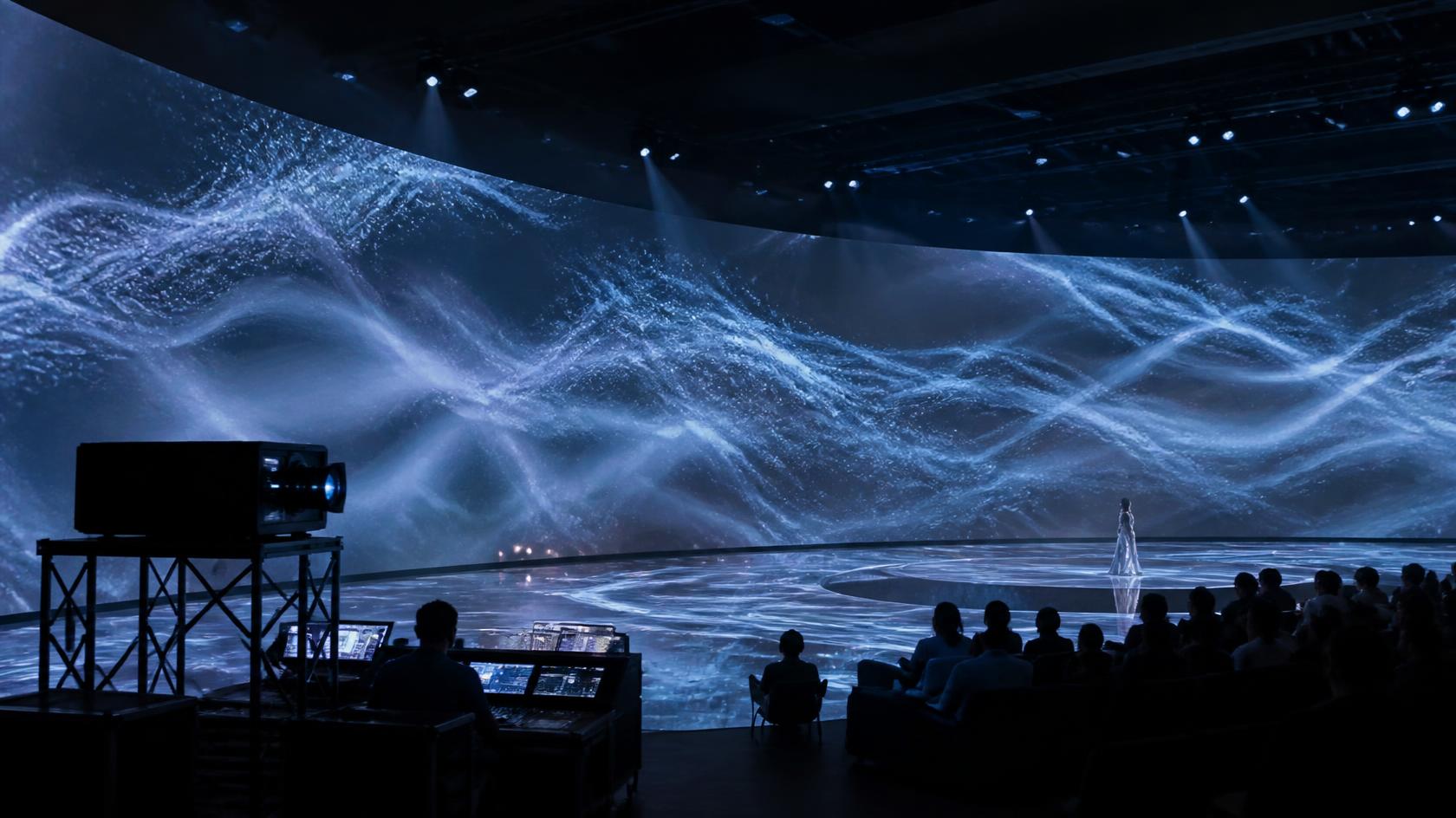
Projection technology can support different types of events, performances, and temporary visual experiences.
Create dynamic stage visuals and immersive environments that complement live performances, concerts, theatrical productions, and other shows.
Adapt projected visuals to stages, buildings, structures, installations, and other surfaces to create visually integrated event environments.
Use projection and large-scale visuals to enhance presentations, launches, brand activations, and corporate event environments.
Create atmospheric visual environments for themed events, temporary installations, experiential projects, and audience-focused experiences.
Different projection approaches can be combined according to the venue, stage design, visual concept, audience view, and event requirements.
Use projection to create large-scale stage backgrounds, visual environments, and dynamic content for live performances and events.
Map projected visuals onto architectural structures, stage elements, objects, and installations to create integrated visual effects.
Combine multiple projectors when larger surfaces or wider visual coverage are required for event environments and live shows.
Extend projected visuals across walls, floors, stages, or surrounding surfaces to create more immersive event experiences.
Coordinate projection, content, and control systems when visual timing needs to follow performances, music, presentations, or other event elements.
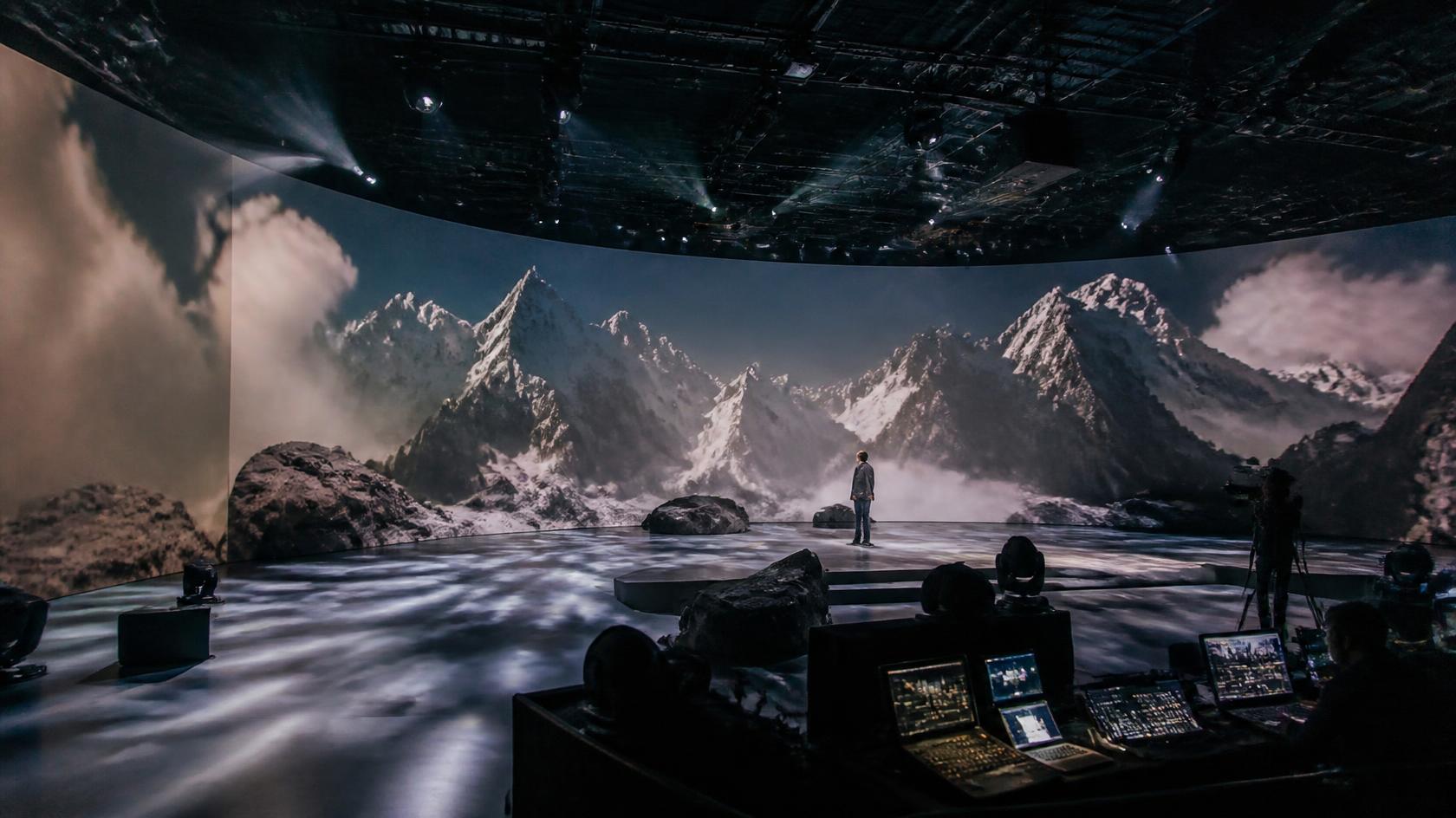
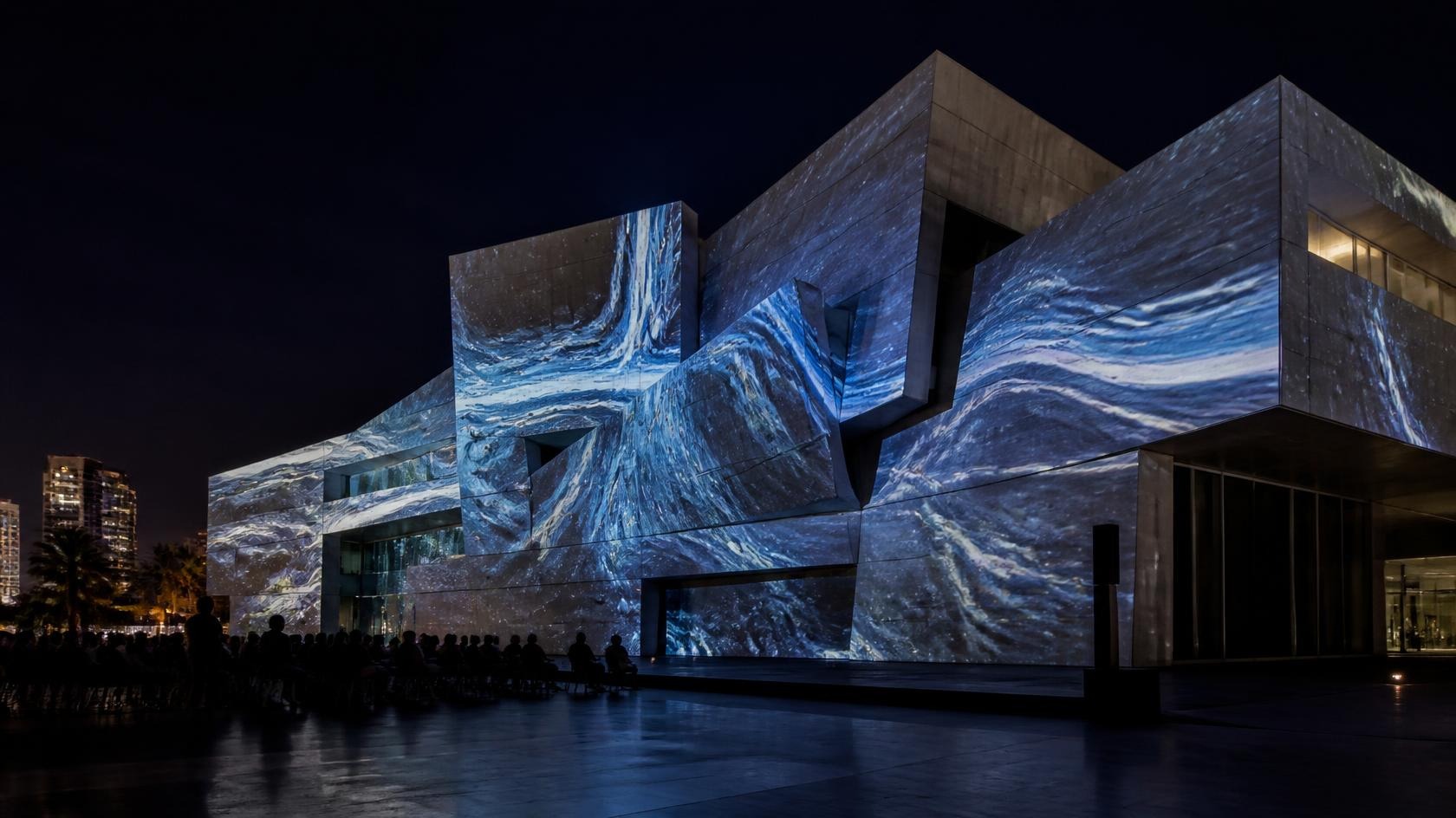
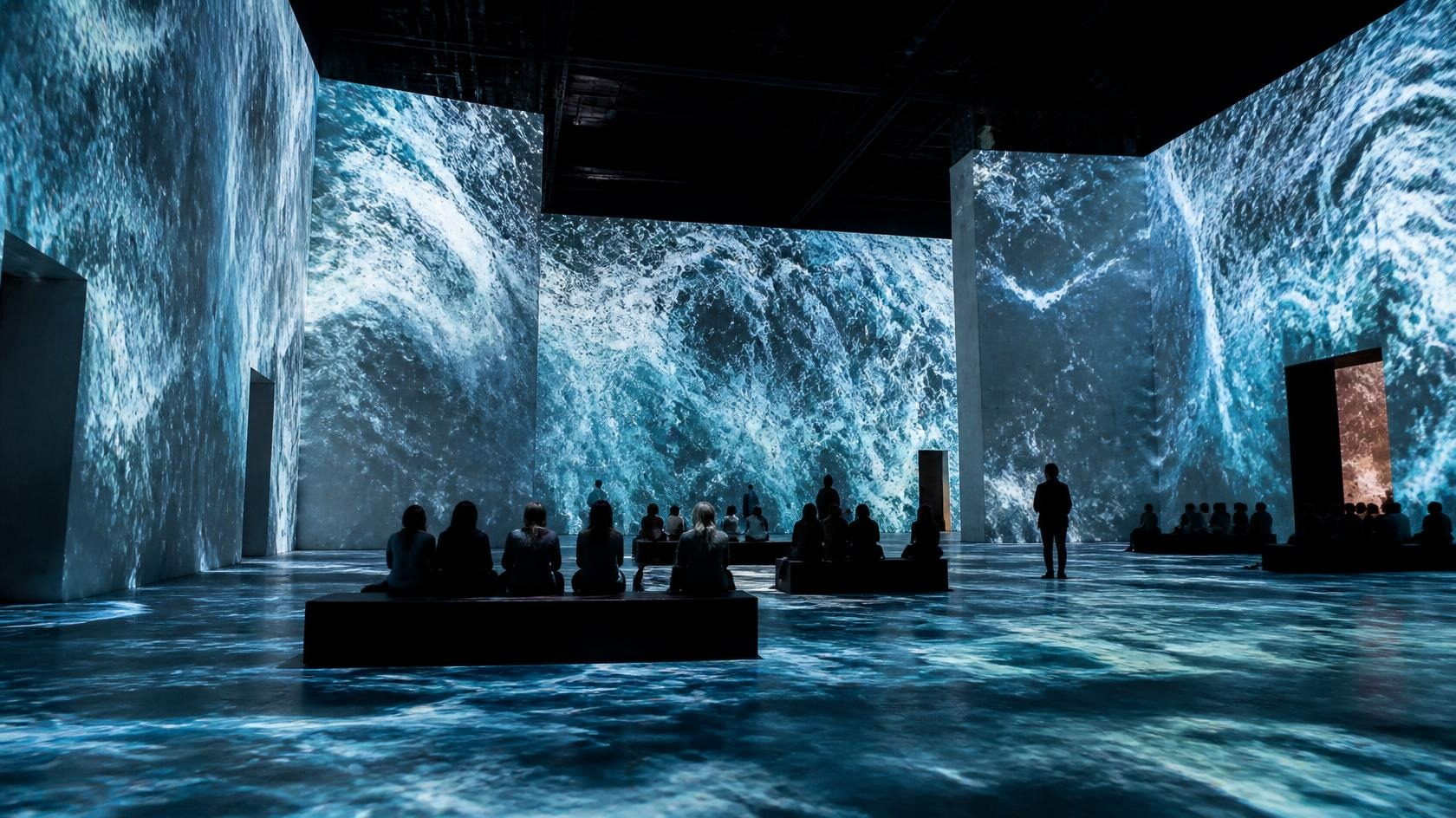
Event projection systems require coordinated hardware, visual content, control, synchronization, and installation to operate reliably during live production.
Select projection systems according to image size, brightness, projection distance, viewing conditions, ambient light, and event requirements.
Map visual content to architectural structures, stage elements, objects, and installations according to the physical environment.
Combine multiple projectors to create wider and more continuous projected images across large event surfaces.
Prepare and manage visual content according to the event concept, screen layout, projection surfaces, and playback requirements.
Coordinate projection, content, control systems, and timing when visuals need to follow live performances, music, presentations, or other event elements.
Coordinate projection hardware, control systems, content playback, installation, calibration, testing, and on-site technical requirements.
Event projection projects require careful planning of the venue, visual concept, projection system, content, schedule, and installation conditions.
Consider venue dimensions, ceiling height, projection surfaces, audience position, ambient light, stage layout, and installation conditions.
Define the intended visual environment, stage appearance, projection mapping approach, content style, and overall audience experience.
Consider brightness, resolution, projection distance, image size, coverage, ambient light, and multi-projector requirements.
Plan visual content, playback, synchronization, timing, and interaction with performances, music, presentations, or other event elements.
Consider equipment access, mounting, cabling, calibration, testing, rehearsal, event schedule, maintenance access, and on-site technical requirements.
Explore projection systems and related technologies that can be considered for event, live show, and projection mapping projects.
Immersive projection for events uses projected visuals across stages, walls, floors, architectural structures, or other surfaces to create dynamic visual environments for performances, events, and audience experiences.
Yes. Projection mapping can adapt visual content to stages, buildings, structures, objects, and installations, making it suitable for many live events and temporary visual environments.
The number of projectors depends on the venue, projection surfaces, image size, required coverage, projection distance, brightness requirements, and whether edge blending or mapping is required.
Projection systems can be coordinated with content playback and control systems when visual timing needs to follow performances, music, presentations, or other event elements. The required configuration depends on the production setup.
Yes. Projection mapping can adapt visual content to architectural structures and other physical surfaces when the surface, viewing conditions, projection distance, and installation environment are suitable.
Important considerations include venue dimensions, stage layout, projection surfaces, ambient light, audience position, projection distance, brightness, content, synchronization, installation access, rehearsal, and event schedule.
Tell us about your venue, event concept, visual content, schedule, and technical requirements. We can help you explore a suitable projection and visual system for your event.
Discuss Your Project